
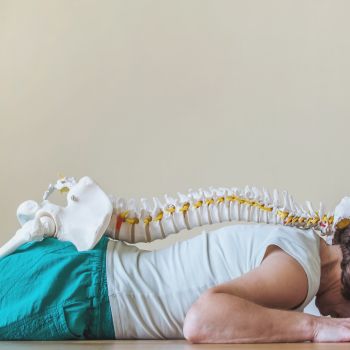
How long spinal decompression lasts depends on which part of the question you mean. Each session takes about 30 to 45 minutes. A full course of non-surgical spinal decompression therapy usually runs 12 to 20 sessions over four to eight weeks. Relief after a completed course can last several months to a few years, and it lasts longest when it is paired with exercise, good posture, and physical therapy that strengthens the muscles supporting the spine.
Each Session
30 to 45 minutes
Most of that time is spent on the table while the spine is gently stretched and relaxed in cycles. You can usually return to your normal day right away.
Full Course
12 to 20 sessions
Sessions are typically spread over four to eight weeks, often several times a week at the start. The exact plan depends on your condition and how quickly you respond.
Results
Months to years
Disc-related problems, such as a herniated or bulging disc, tend to hold relief well. Degenerative and long-standing conditions more often need periodic maintenance.
What Is Spinal Decompression Therapy?
Non-surgical spinal decompression uses a motorized table to gently stretch the spine in controlled cycles of pulling and relaxing. The goal is to reduce pressure on the spinal discs and the nerves around them. It is a computer-controlled form of traction, and the cycling is designed to keep the surrounding muscles relaxed so they do not tighten against the stretch.
Surgical decompression is a different treatment. Procedures such as a laminectomy or discectomy remove bone or disc material that is pressing on a nerve. The two are easy to confuse, and their timelines are very different. Surgical results are often measured in years, while non-surgical relief depends heavily on what you do after the course ends. The rest of this page covers the non-surgical approach.
Who Spinal Decompression Can Help
Non-surgical decompression is most often used for lower back pain that comes from the discs or from pressure on a nerve. Common reasons include:
- Herniated or bulging discs
- Sciatica and other nerve pain that travels into the leg
- Degenerative disc disease
- Pinched nerves in the lower back
- Some cases of spinal stenosis, depending on the cause
Research on non-surgical decompression is still developing, and results vary from person to person. That is why it works best as one part of a broader plan instead of a stand-alone fix. The factors that decide whether spinal decompression therapy is right for you start with an accurate diagnosis.
Spinal decompression is generally not recommended during pregnancy or for people with:
- A recent spinal fracture
- Spinal fusion, rods, or other implanted hardware
- Severe osteoporosis
- A spinal tumor or infection
- A vertebra that has slipped significantly out of position
What Affects How Long Results Last
The Underlying Condition
Disc herniations and bulges often respond well and hold relief longer. Degenerative changes develop over years, so relief is more likely to fade without ongoing care.
Completing the Full Course
Stopping as soon as the pain eases is common, and it often means symptoms return sooner. The full plan is built to carry improvement past the point where pain first fades.
Strength and Activity
Core and hip strength take load off the spine. People who keep exercising after treatment generally hold their results longer than people who return to inactivity.
Daily Habits
Long hours of sitting, poor lifting mechanics, smoking, and carrying extra weight all add stress to the discs and can shorten the benefit.
How to Make Spinal Decompression Results Last
- Keep up your home exercises. Core and hip strengthening is what supports the spine once the table work ends.
- Break up long periods of sitting. Stand and move every 30 to 45 minutes, especially at a desk.
- Lift with your legs. Keep loads close to your body, and avoid twisting while you lift.
- Stay active. Regular walking is one of the simplest ways to keep the spine moving and the back muscles conditioned.
- Plan maintenance visits if needed. Some people with degenerative conditions benefit from periodic sessions to hold their progress.
These habits matter because regular exercise is among the best-supported ways to recover from and prevent low back pain over the long term.
What to Expect After a Session
Most people feel relaxed after a session and return to their normal day right away. Mild soreness for a day or so is common at the start of a course. Heavy lifting and high-impact exercise are best avoided until you know how your back responds. Progress tends to be slower in older adults and in people with long-standing pain or a previous back surgery.
When Back Pain Needs a Doctor Right Away
See a doctor promptly if back pain comes with:
- Loss of bladder or bowel control
- Numbness in the groin or inner thighs
- Leg weakness that is getting worse
- A fever
- Severe pain after a fall or accident
- Unexplained weight loss
Loss of bladder or bowel control and numbness in the groin can signal severe nerve compression and need emergency care the same day. Spinal decompression is not appropriate for any of these symptoms until a doctor has evaluated them.
Spinal Decompression at MSM
At Manhattan Sports Medicine & Wellness Group, spinal decompression is part of a broader plan instead of a stand-alone treatment. Care starts with confirming what is driving the pain and whether decompression is a good fit.
Physical therapy builds the core and hip strength that helps results last, and chiropractic care addresses joint mobility in the spine. Together, they give decompression the best chance of lasting.
If your back pain began with a car accident, let us know when you book, since no-fault cases follow their own process. The same applies if the injury happened at work.
Frequently Asked Questions
Is spinal decompression permanent?
No treatment can guarantee permanent relief. For many people, a completed course provides relief that lasts months to years, especially with ongoing exercise. Some people with degenerative conditions need occasional maintenance sessions.
How many spinal decompression sessions will I need?
Most courses fall between 12 and 20 sessions over four to eight weeks. Your plan depends on your diagnosis, how long you have had symptoms, and how quickly you respond.
Does spinal decompression hurt?
It should not. Most people feel a gentle stretch, and many find it relaxing. Tell your provider right away if a session causes sharp pain.
Is spinal decompression covered by insurance?
Coverage varies by plan, and some insurers do not cover table-based decompression. Check with your insurer, or call our office before you start.
Can spinal decompression help me avoid surgery?
For some people with disc-related pain, conservative care that includes decompression and physical therapy relieves symptoms enough that surgery is not needed. It cannot fix every problem, and progressive weakness or severe nerve compression may still call for a surgical opinion.
Find Out If Spinal Decompression Is Right for You
Back pain that keeps returning usually has a specific cause. Our team evaluates what is driving your pain and builds a plan around it, with spinal decompression where it fits.

