
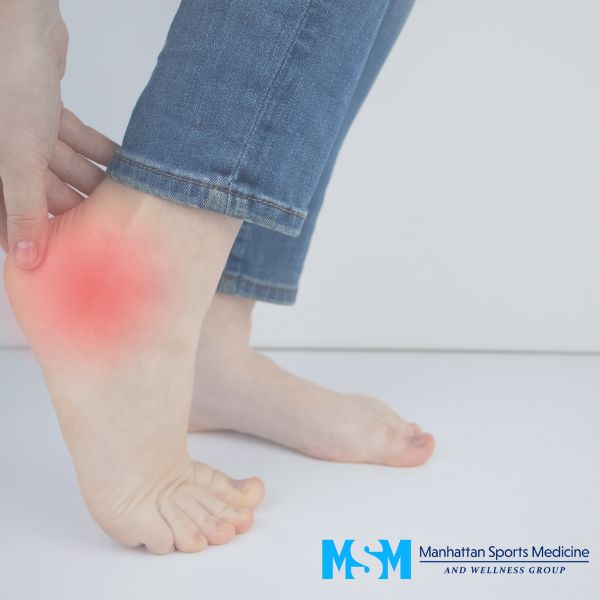
Heel pain that is worst with your first steps in the morning is most often caused by plantar fasciitis. Overnight, the plantar fascia, the band of tissue along the bottom of your foot, tightens while your foot rests in a relaxed position. When you stand up, that tissue is suddenly stretched under your full body weight, which is why the first few steps hurt most and the pain often eases as you keep moving.
Why Mornings Are the Worst
The plantar fascia supports your arch with every step. When it is irritated, it tightens during periods of rest and has to stretch out again once you put weight on it. That is why the same pattern often shows up after sitting at a desk or driving for a long stretch: the first steps after rest are sharp, and walking for a few minutes loosens things up.
The relief does not mean the problem is gone. Pain often returns later in the day after long periods of standing, and it can build after exercise rather than during it.
Common Causes of Morning Heel Pain
Plantar fasciitis is the most common cause, but not the only one. Where the pain sits and how it feels help point to the source.
Plantar Fasciitis
Sharp pain at the bottom of the heel, usually toward the inside, that is worst with the first steps of the day. It responds well to stretching and progressive strengthening, which is why plantar fasciitis physical therapy is a first-line treatment.
Achilles Tendinitis
Pain and stiffness at the back of the heel, where the Achilles tendon attaches. Morning stiffness is common, and the tendon may feel tender or thickened. It calls for Achilles tendinitis treatment rather than a plantar fasciitis program.
Heel Spurs
A small bony growth on the underside of the heel bone, often found on an X-ray in people with plantar fasciitis. Many heel spurs cause no pain at all, and in most cases the irritated fascia, not the spur, is the source of the symptoms.
Fat Pad Irritation
A deep, bruise-like ache in the center of the heel that is worse on hard floors and in thin-soled shoes. The cushioning pad under the heel can thin or become irritated with age and repeated impact.
Nerve Irritation
Burning, tingling, or numbness in the heel or along the sole. These symptoms point to an irritated nerve rather than the fascia and need a different approach.
Stress Fracture
Pain that builds with activity, often with swelling, after a sudden increase in running or time on your feet. A stress fracture needs to be confirmed and managed by a provider before you return to impact activity.
What Helps Morning Heel Pain
For plantar fasciitis, a few simple changes often make the first steps of the day easier:
- Stretch before you stand. Pull your toes back toward your shin for a few slow holds before your feet touch the floor.
- Keep supportive shoes by the bed. Walking barefoot on hard floors at home puts extra strain on the fascia.
- Stretch your calves daily. Tight calves pull on the heel and add load to the fascia.
- Roll your arch on a frozen water bottle. Ten minutes can calm a flare, though it eases symptoms without fixing the cause.
- Adjust your load, but keep moving. Cut back on whatever flares the pain instead of stopping activity altogether.
The most effective long-term fix is a consistent strengthening program. These physical therapy exercises for plantar fasciitis include the sets and repetitions our therapists prescribe.
When to See a Specialist
Most morning heel pain improves with the right care, but get it checked if you notice any of the following:
- No improvement after six to eight weeks of consistent home care
- Heel pain after a fall or impact, especially if walking is difficult
- Numbness, tingling, or burning in the foot
- Swelling, redness, or warmth around the heel
- Pain at rest or at night that keeps getting worse
An evaluation measures what you cannot check at home, such as ankle flexibility, calf and foot strength, and how your foot moves when you walk. At MSM Wellness, physical therapists treat heel pain at three Manhattan offices and work alongside our podiatry team when footwear or orthotics are part of the answer.
Frequently Asked Questions
Is morning heel pain serious?
Usually not. Most cases are plantar fasciitis, which responds well to conservative care. Pain that lasts for weeks, keeps getting worse, or comes with numbness, swelling, or redness should be evaluated.
Will morning heel pain go away on its own?
It can, but it often takes months without treatment. Stretching, strengthening, and supportive footwear usually shorten recovery, and most people notice less morning pain within a few weeks of consistent care.
Should I stop exercising if my heel hurts?
Usually not completely. Reduce the activities that flare your pain, and keep moving within a comfortable range. Complete rest can leave the tissue less tolerant when you return.
Get Your Heel Pain Checked
If your first steps of the day still hurt after weeks of stretching, our physical therapists can find what is driving the pain and build a plan around it at whichever Manhattan office suits you.
